



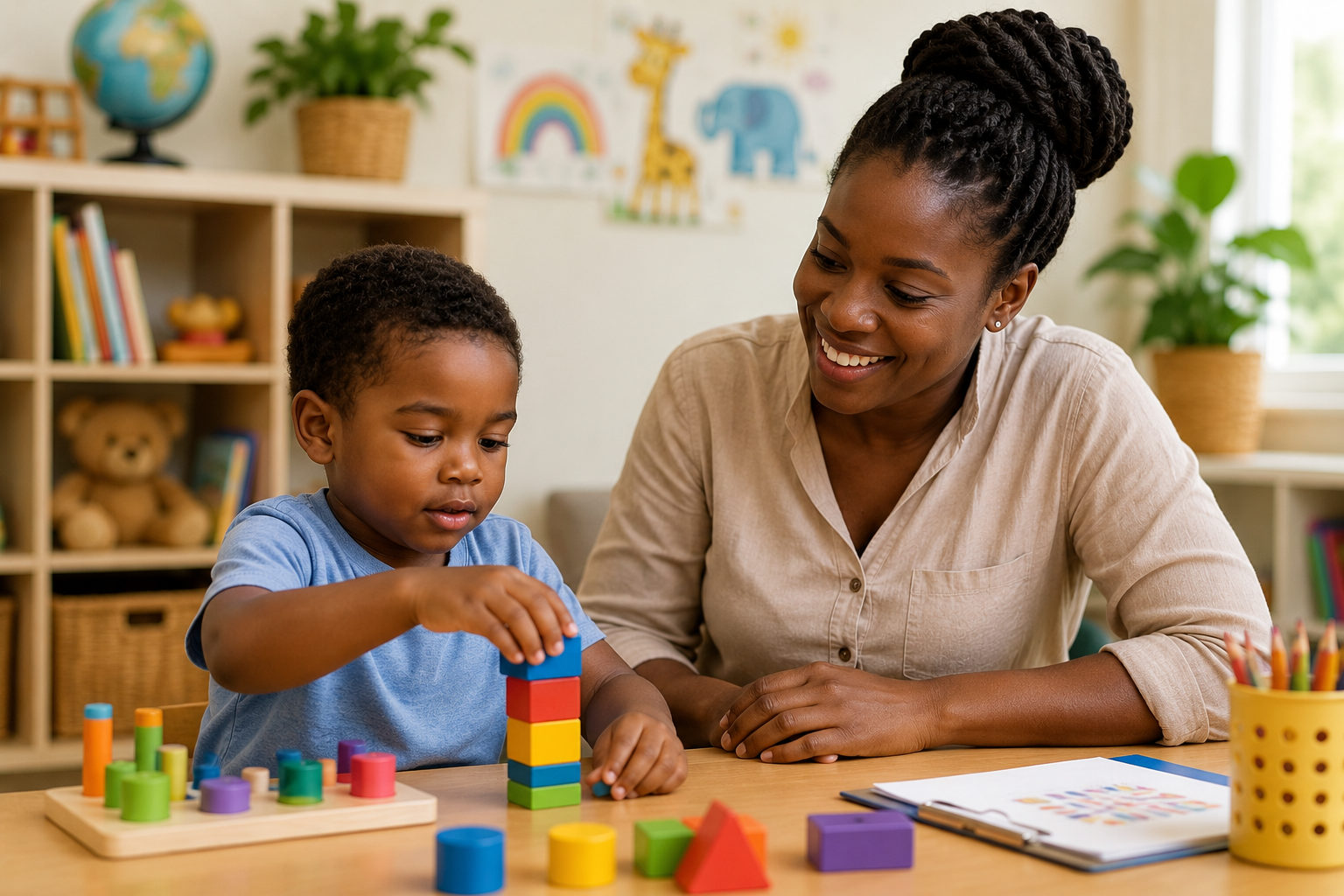
Every child develops in their own unique way. Some children begin speaking early, while others take more time to communicate. Some children quickly develop physical and social skills, while others may need additional encouragement and support. Differences in development are not always a cause for concern, but when certain challenges continue or become noticeable, recognising them early can make a significant difference. Early intervention for children gives families an opportunity to understand their child’s individual needs and provide the right support during important stages of development.
Developmental delays can affect different areas of a child’s life, including communication, movement, learning, social interaction, emotional regulation, and everyday activities. A child may have difficulty expressing their needs, understanding language, interacting with other children, developing coordination, managing emotions, concentrating on tasks, or becoming independent with activities such as eating, dressing, and personal care. These challenges can look different from child to child, which is why understanding the individual child is more important than comparing them with others.
Parents and caregivers are often the first people to notice that something may be different. You may notice that your child is not reaching certain developmental milestones, has difficulty communicating, struggles to follow age-appropriate instructions, avoids certain activities, experiences frequent emotional difficulties, or finds everyday tasks challenging. You may also notice difficulties with speech clarity, balance, coordination, feeding, learning, attention, or social interaction. While every child develops at their own pace, ongoing concerns should not simply be ignored. Seeking professional guidance can provide reassurance, clarity, and an appropriate way forward.
Understanding Developmental Assessment
A developmental assessment for children is designed to provide a clearer understanding of how a child is progressing across different areas of development. Rather than focusing only on a single concern, a comprehensive assessment looks at the child’s overall abilities, strengths, challenges, and individual needs.
A professional assessment can help families understand whether a child may benefit from additional developmental support and what type of intervention could be appropriate. It can also provide valuable information for creating a personalised support plan. Most importantly, assessment should not simply focus on what a child finds difficult. Understanding their strengths is equally important because these strengths can become an important foundation for future learning and development.
Why Early Intervention Can Make a Difference
The early years are an important period for children’s development. During this time, children are continuously learning how to communicate, move, interact, manage emotions, solve problems, and become more independent. Providing appropriate support when concerns are identified can help children develop skills while they are still building these important foundations.
Early childhood intervention is not about changing who a child is. It is about helping them develop the skills they need to communicate, participate, learn, and engage with the world around them. With personalised support, children can work towards meaningful goals in a way that is appropriate for their abilities and individual development.
Supporting Communication Through Speech and Language Therapy
Communication is one of the most important parts of a child’s development. Being able to express thoughts, understand others, communicate needs, and participate in conversations can influence a child’s confidence, learning, and relationships.
Speech and language therapy for children can support children experiencing difficulties with speech, language, communication, or understanding. A speech pathologist can work with the child to develop communication skills through engaging, age-appropriate activities. The goal is to help children communicate more effectively and confidently in everyday situations.
Helping Children Develop Independence Through Occupational Therapy
Everyday activities that seem simple to adults can sometimes be challenging for children. Tasks such as feeding, dressing, handwriting, using utensils, playing, or managing sensory experiences require a combination of physical, cognitive, and emotional skills.
Occupational therapy for children focuses on helping children develop these practical skills and become more independent. Therapy is personalised around the child’s abilities and goals, making learning meaningful and engaging. Over time, these skills can support greater confidence both at home and in educational environments.
Building Strength, Movement and Coordination
Physical development is another important part of childhood. Some children may experience difficulties with balance, coordination, strength, posture, or movement. These challenges can affect how comfortably they participate in play, school activities, and everyday routines.
Paediatric physiotherapy can help children develop movement and physical abilities through structured, goal-focused activities. By working towards individual developmental goals, physiotherapists can help children build physical confidence and improve their ability to participate in everyday activities.
Supporting Emotional and Psychological Wellbeing
A child’s development is not limited to physical or academic abilities. Emotional wellbeing plays an equally important role in helping children feel safe, confident, and connected.
Children may sometimes struggle with anxiety, emotional regulation, changes in behaviour, frustration, social situations, or expressing their feelings. Child psychological therapy can provide a safe and supportive environment where children can explore their emotions, develop coping strategies, improve self-regulation, and build resilience.
Supporting emotional wellbeing early can also help families better understand their child’s behaviour and respond to their needs with greater confidence.
Learning and Educational Development
Children develop learning skills at different rates, but persistent difficulties with concentration, foundational learning, communication, or academic tasks may indicate that additional support could be helpful.
Educational support for children provides personalised assistance based on individual learning needs. A supportive approach can help children strengthen foundational skills while developing confidence and a more positive attitude towards learning. When children feel understood and supported, they are more likely to engage, participate, and recognise their own abilities.
Nutrition and Healthy Development
Healthy development also depends on appropriate nutrition. Some children may have difficulties with feeding, limited food preferences, nutritional concerns, or challenges related to healthy growth.
A paediatric dietitian can provide personalised nutrition and feeding guidance based on a child’s specific needs. Supporting healthy eating habits and appropriate nutrition can be an important part of a child’s overall developmental journey.
Families Should Never Feel Alone
Supporting a child through developmental challenges can sometimes feel overwhelming for parents and caregivers. Questions about whether a child is developing appropriately, which professional to speak to, or what support is needed can create uncertainty.
This is why family support and guidance is an important part of early intervention. When families are involved in the process, they can better understand their child’s needs and learn practical ways to support development at home. A strong partnership between professionals and families creates a more consistent and supportive environment for the child.
Early Support Starts With Understanding
Recognising a possible developmental delay does not mean assuming the worst about a child’s future. It means paying attention, asking questions, and seeking the right guidance when something feels concerning. Every child has their own strengths, personality, abilities, and pace of development.
With a thoughtful developmental assessment, personalised early intervention, and support from professionals such as speech pathologists, occupational therapists, physiotherapists, psychologists, educators, and dietitians, children can receive the guidance they need to develop important skills and greater independence.
The earlier families understand their child’s needs, the sooner they can begin creating meaningful opportunities for growth. Early intervention is ultimately about giving every child the opportunity to communicate, learn, connect, participate, and thrive in their own way.