



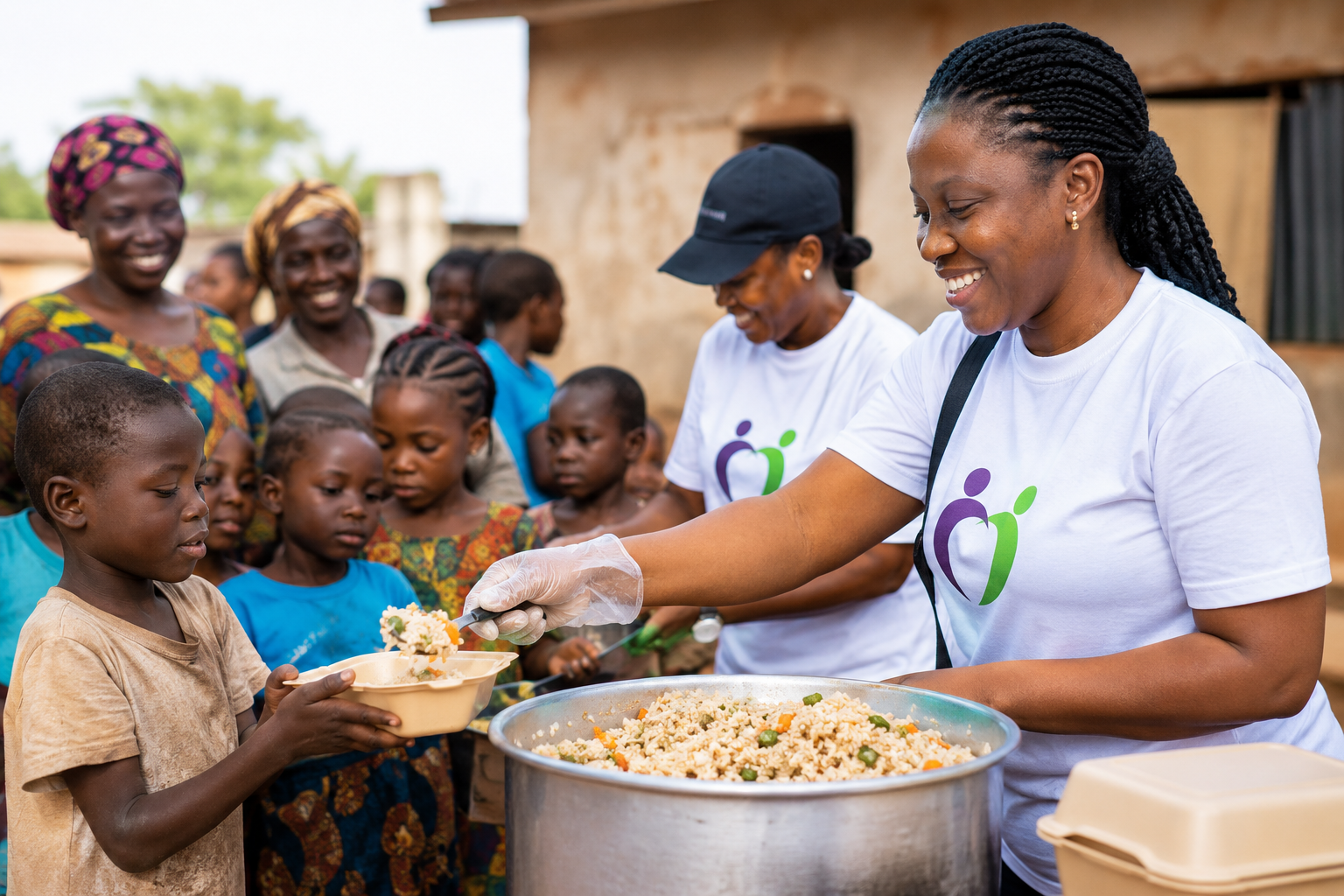
The early years of childhood are an important time for physical growth, brain development, and the formation of everyday habits. During this period, children begin developing their food preferences, learning about different tastes and textures, and establishing routines that can influence their relationship with food as they grow. Encouraging healthy eating habits in early childhood is therefore about more than simply providing nutritious meals. It is about creating positive food experiences that support children’s health, confidence, and independence.
For parents and caregivers, introducing healthy eating habits can sometimes feel challenging. Some children may prefer familiar foods, refuse vegetables, eat very small portions, or change their preferences from one day to another. These behaviours can be a normal part of early childhood. With patience, consistency, and a supportive approach, families can help children explore different foods without turning mealtimes into stressful experiences.
Why Healthy Nutrition Matters During the Early Years
Young children need a variety of nutrients to support their rapidly developing bodies and brains. A balanced diet provides energy for movement, play, learning, and everyday activities. It also supports healthy growth, bone development, immune function, and the development of muscles and other body tissues.
Nutrients such as protein, iron, calcium, healthy fats, vitamins, and minerals play important roles in childhood development. Including a variety of foods from different food groups helps children receive the nutrients they need as they grow. Suitable choices may include vegetables, fruits, whole grains, pulses, eggs, dairy products or appropriate alternatives, nuts in safe forms, and other protein-rich foods.
Nutrition is closely connected to a child’s overall wellbeing. When children have regular opportunities to eat nourishing foods, drink water, and develop consistent eating routines, they can build habits that support their daily activities and long-term health.
Every child has individual nutritional needs, however. Age, growth, allergies, cultural food practices, medical conditions, and developmental differences can influence what a child needs. Parents should seek advice from a qualified healthcare professional when they have concerns about their child’s nutrition or growth.
Helping Children Explore Different Foods
Children often need repeated, pressure-free opportunities to become comfortable with unfamiliar foods. A new vegetable or fruit may initially look, smell, or feel unusual to them. Refusing it once does not necessarily mean that they will never enjoy it.
Parents can encourage exploration by offering small portions of unfamiliar foods alongside familiar favourites. Allowing children to look at, smell, touch, and taste foods at their own pace can help make the experience more comfortable. It is important to remember that tasting should not become a demand or a condition for receiving praise.
For example, a child who enjoys rice may be introduced to different vegetables alongside it. A child who prefers soft textures might initially feel more comfortable with mashed vegetables before gradually exploring other preparations that are appropriate for their age and abilities.
Food exploration should be calm and encouraging. Children learn through experience, and positive interactions with food can help them gradually develop a wider range of preferences.
Making Mealtimes Positive and Stress-Free
The atmosphere around the dining table can influence how children experience food. Frequent pressure to finish everything on their plate, arguments over vegetables, or comparisons with other children can make eating stressful.
A supportive mealtime environment allows children to develop familiarity with food while learning to recognise their own hunger and fullness cues. Parents and caregivers can offer appropriate foods at regular times, create a comfortable place to eat, and model relaxed eating behaviours.
Children should not be shamed for disliking a food or eating less than another child. Equally, food should not routinely be used as a reward or punishment. A positive approach helps children understand that eating is a normal part of caring for their bodies rather than a source of conflict.
Young children may need assistance with feeding, utensils, and portion sizes. As their abilities develop, they can gradually participate more independently, with appropriate supervision.
Establishing Healthy Food Routines at Home
Consistent routines can make healthy eating easier for the whole family. Regular meal and snack opportunities help children understand when food is available throughout the day. Offering water regularly and including a variety of nourishing foods can also support healthy habits.
Family meals provide valuable opportunities for children to observe how others eat and experience food as part of everyday life. Parents do not need to prepare elaborate meals to make a difference. Simple, balanced options that fit the family’s culture, budget, and schedule can be equally valuable.
Involving children in age-appropriate food preparation can also build curiosity. A young child might wash vegetables, help arrange fruit on a plate, or choose between two nutritious options. Older children may help with simple preparation under adult supervision.
These small experiences allow children to participate in family routines while developing familiarity with ingredients and an appreciation for food.
Understanding Picky Eating Without Creating Pressure
Picky eating can be a source of concern for parents, particularly when children accept only a limited range of foods. During early childhood, preferences may change as children develop greater independence and become more aware of their surroundings.
A calm and consistent approach is often more helpful than repeatedly preparing separate meals or insisting that a child eat a particular food. Parents can continue offering suitable choices, include at least one familiar option where practical, and allow children to decide whether and how much to eat from the foods provided.
It is also important to recognise when additional support may be needed. Persistent food refusal, difficulty chewing or swallowing, distress around eating, a very restricted diet, poor growth, or concerns about nutritional deficiencies should be discussed with a qualified healthcare professional. Feeding difficulties can have different causes and should not automatically be dismissed as ordinary picky eating.
The aim is not to make every child eat every food. It is to support a safe, positive relationship with food while ensuring that nutritional needs are met.
Food Safety and Healthy Eating for Young Children
Healthy eating also involves making food safe and suitable for a child’s age and abilities. Young children require close supervision during meals, and foods that present choking risks must be prepared appropriately. Whole nuts, hard pieces of raw vegetables, and other potentially hazardous foods require particular care. Caregivers should follow age-appropriate food safety guidance and seek advice if a child has swallowing or feeding difficulties.
Food allergies and intolerances must also be considered. Parents should follow professional guidance when introducing foods to children at risk of allergic reactions and should never ignore symptoms that may indicate a serious reaction.
Good hygiene, safe food storage, clean preparation surfaces, and appropriate cooking practices help reduce the risk of foodborne illness. These simple precautions are an essential part of nurturing children’s health.
Working Together to Support Healthy Eating
Children benefit when parents, caregivers, and early childhood educators communicate about their food preferences, routines, allergies, and nutritional needs. Sharing relevant information can help create more consistent and supportive experiences across home and childcare environments.
Educators can encourage positive food experiences by respecting individual needs, introducing age-appropriate nutrition activities, and avoiding pressure or shame around eating. Families can reinforce these experiences at home through regular routines and positive role modelling.
Every child develops differently, and healthy eating should be approached with patience and flexibility. Cultural traditions, family circumstances, individual preferences, and developmental needs all deserve consideration.
Building Healthy Habits One Meal at a Time
Healthy eating habits in early childhood develop through everyday experiences rather than a single meal or a perfect diet. Offering variety, creating relaxed mealtimes, modelling balanced food choices, and respecting children’s individual needs can help establish a strong foundation for lifelong wellbeing.
Parents do not have to achieve perfection. Small, consistent steps can make a meaningful difference, from introducing a new fruit to eating together as a family or allowing a child to help prepare a simple meal.
At Grace Empowered Early Years, we believe that supporting children means looking at their overall wellbeing and creating opportunities for them to grow in safe, nurturing, and encouraging environments. By working together, families and caregivers can help children develop positive food experiences that support their health, confidence, and future development.
Healthy habits begin with small steps, consistent care, and positive experiences every day.