



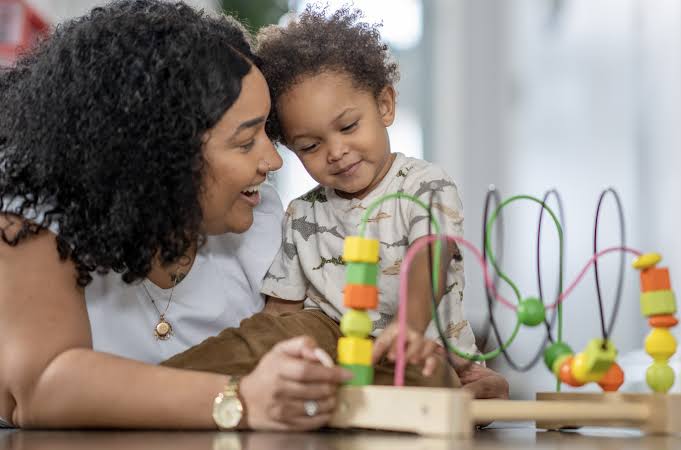
Everyday activities such as holding a pencil, buttoning a shirt, using a spoon, playing with toys, and participating in classroom activities are important parts of childhood development. While many children learn these skills gradually, some may need additional guidance and support to perform daily tasks comfortably and independently.
Occupational therapy for children helps address challenges that may affect a child’s participation in everyday activities. Through personalised, goal-oriented sessions, children can practise essential skills, improve coordination, and develop greater confidence in their daily routines.
At Grace Empowered Early Years Foundation, we understand that every child has individual strengths and developmental needs. Our approach focuses on helping children build practical skills while supporting families throughout their developmental journey.
What Is Occupational Therapy for Children?
Paediatric occupational therapy focuses on helping children participate in activities that are important for their development, learning, play, and independence.
Some children may find activities involving hand movements, coordination, concentration, sensory processing, or self-care challenging. Occupational therapy helps identify the skills that may be affecting these activities and develops suitable strategies to support improvement.
Occupational therapy for children in Nigeria can be particularly valuable for families seeking personalised developmental support that fits into their child’s everyday environment.
The aim is not to make every child perform tasks in the same way. Instead, therapy focuses on helping each child develop practical abilities according to their individual needs and goals.
Signs Your Child May Benefit from Occupational Therapy
Children develop at different rates, and occasional difficulties do not necessarily indicate a developmental problem. However, parents may consider seeking professional guidance if their child consistently experiences difficulties with everyday activities.
These may include:
- Struggling to hold crayons, pencils, or small objects.
- Finding it difficult to use a spoon, get dressed, or manage personal care.
- Experiencing challenges with balance, hand-eye coordination, or fine motor skills.
- Having difficulty participating in play or age-appropriate learning activities.
- Showing sensory sensitivities that interfere with daily routines.
- Finding it challenging to complete tasks requiring coordination and concentration.
A professional assessment can help determine which skills need support and whether occupational therapy is appropriate.
How Occupational Therapy Supports Child Development
1. Improving Fine Motor Skills
Fine motor skills involve the small muscles of the hands and fingers. Children use these skills when drawing, turning pages, picking up objects, manipulating toys, and beginning to write.
Occupational therapy may include age-appropriate activities such as puzzles, building blocks, drawing, threading beads, and handling everyday objects. These activities can help children practise hand control and coordination.
2. Developing Independence in Daily Activities
Learning to eat independently, dress, wash hands, and manage personal belongings can be an important part of growing up.
Occupational therapists can break these activities into manageable steps and help children practise them using appropriate strategies, adapted tools, or visual guidance when needed.
3. Supporting Sensory Processing
Some children are particularly sensitive to sounds, textures, clothing, movement, or busy environments. Others may seek additional movement or sensory experiences.
When these responses interfere with daily life, an occupational therapist can assess the child’s needs and suggest appropriate ways to support participation in home, play, and learning environments.
4. Strengthening Play and Learning Skills
Play helps children explore their surroundings, develop problem-solving abilities, and interact with others. Difficulties with coordination, attention, or using play materials can sometimes make these experiences challenging.
Occupational therapy can incorporate structured play activities that encourage participation, coordination, and practical learning.
5. Encouraging School Readiness
Preparing for school involves more than recognising letters and numbers. Children also benefit from developing hand control, managing materials, following routines, and participating in classroom tasks.
Occupational therapy may help children practise some of these foundational skills according to their individual needs.
Simple Activities Parents Can Encourage at Home
Parents can support everyday skill development by involving children in safe, age-appropriate activities.
Encourage children to help put away toys, turn pages in picture books, use suitable drawing materials, build with blocks, or practise simple dressing routines. Allowing extra time to complete tasks can also help children develop confidence without unnecessary pressure.
Choose activities that match your child’s abilities and interests. If a task is consistently difficult, avoid forcing participation and seek professional guidance about suitable adaptations.
Home activities can complement therapy, but they should be guided by the child’s individual developmental needs.
Why Personalised Occupational Therapy Matters
Children may experience similar difficulties for different reasons. One child might struggle with pencil control, while another may need support with dressing, coordination, or sensory responses.
A personalised approach considers the child’s current abilities, family routines, interests, and developmental goals. Progress can then be reviewed and activities adjusted as the child develops new skills.
Grace Empowered Early Years Foundation provides occupational therapy as part of its broader early intervention and child development services for children aged 0–8. The foundation also offers developmental assessments, speech and language therapy, physiotherapy, educational support, and family guidance.
Its in-home support model allows families to explore developmental activities within familiar surroundings, where appropriate.
Help Your Child Build Everyday Skills
Small achievements can make a meaningful difference to a child’s confidence and independence. Learning to hold a pencil, manage a daily routine, or participate more comfortably in play can be an important step forward.
If your child experiences persistent difficulties with everyday activities, professional guidance can help you understand their needs and explore suitable support.
Contact Grace Empowered Early Years Foundation to learn more about occupational therapy and personalised child development services.