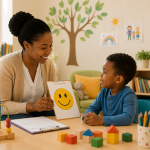



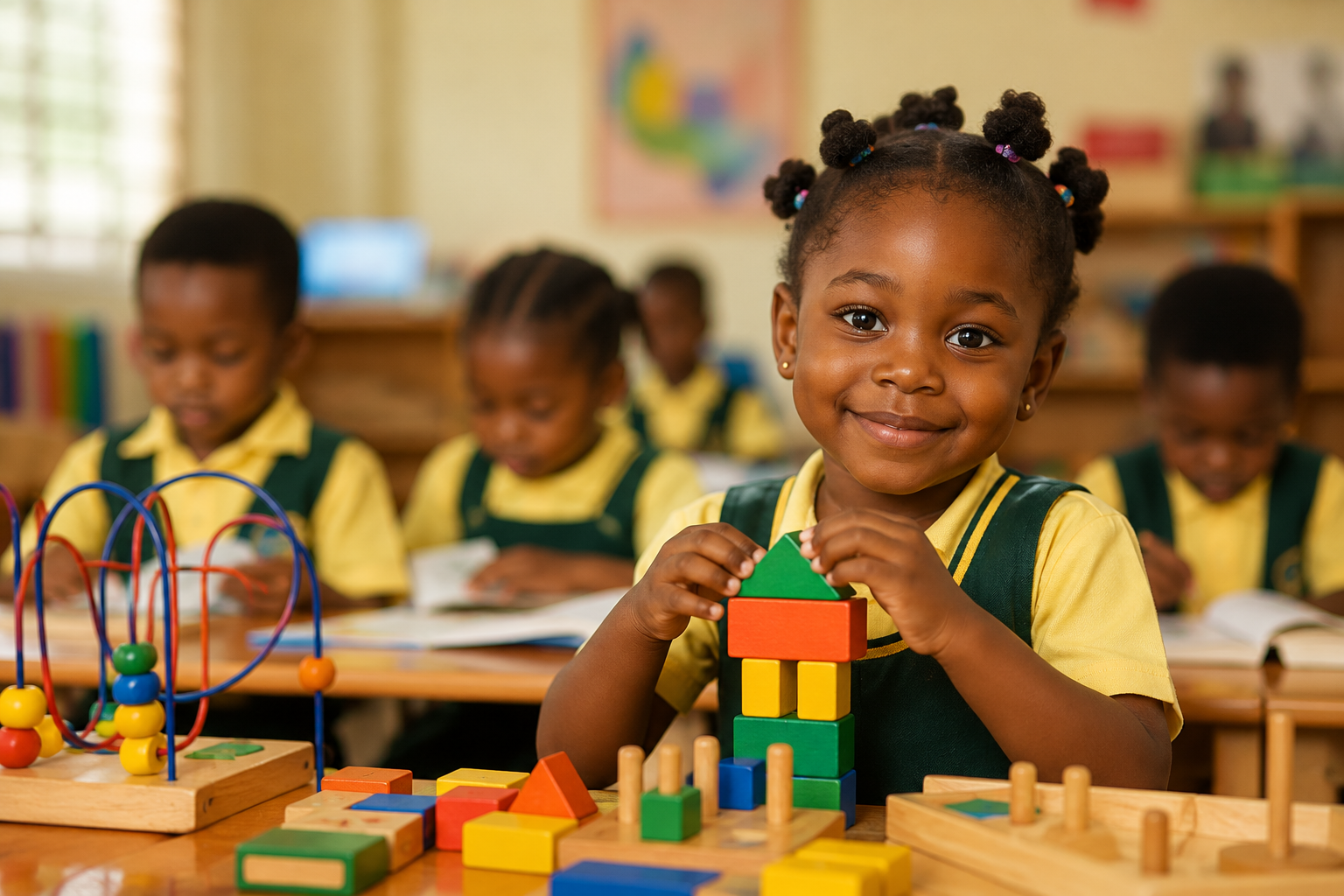
The early years of a child’s life are often described as the most important stage of human development. During this period, children are not only learning how to walk, talk, and play, but they are also developing the emotional, cognitive, social, and physical skills that will influence their future success. The experiences children have during their early years create the foundation upon which all future learning and development are built. When children receive the right support, encouragement, and opportunities during this critical stage, they are more likely to grow into confident, capable, and resilient individuals.
Early childhood development goes far beyond academic learning. It encompasses a child’s ability to communicate effectively, build healthy relationships, regulate emotions, solve problems, and adapt to new environments. These skills begin developing from birth and continue to strengthen through meaningful interactions with parents, caregivers, educators, and peers. Positive early experiences help children develop a sense of security and confidence, allowing them to explore their surroundings and engage in learning with curiosity and enthusiasm.
Every child follows a unique developmental path. While some children achieve milestones quickly, others may require additional support to develop certain skills. Recognising and responding to developmental needs early can make a significant difference in a child’s growth. When challenges are identified at an early stage, families and professionals can work together to implement strategies that support the child’s progress before difficulties become barriers to learning and participation.
Language and communication skills are among the most important aspects of early childhood development. Children who develop strong communication abilities are better equipped to express their thoughts, understand instructions, build relationships, and participate in educational settings. Early support can help children strengthen these skills, enabling them to communicate more effectively and confidently as they grow.
Social and emotional development is equally important. Young children are constantly learning how to understand their emotions, interact with others, share experiences, and navigate social situations. Developing these abilities during the early years helps children build positive relationships and fosters emotional resilience. Children who feel emotionally secure are often more willing to explore, learn, and engage in new experiences.
Physical development also plays a critical role in a child’s overall growth. Activities that promote coordination, balance, strength, and fine motor skills contribute to a child’s independence and confidence. Everyday tasks such as holding a pencil, fastening buttons, using utensils, and participating in play require physical abilities that develop gradually over time. Supporting these skills during the early years helps children become more capable and self-sufficient in daily life.
Another key aspect of early childhood development is preparing children for educational success. School readiness is not simply about recognising letters or numbers. It involves developing attention, self-regulation, communication, social interaction, problem-solving abilities, and confidence. Children who enter school with strong foundational skills are often better prepared to engage in learning, adapt to classroom routines, and build positive relationships with teachers and classmates.
Family involvement remains one of the most influential factors in a child’s development. Parents and caregivers provide the first learning environment a child experiences. Through everyday interactions, conversations, play, and encouragement, families help shape a child’s understanding of the world. When families are actively involved in supporting development, children benefit from consistent guidance and opportunities to practice new skills in meaningful ways.
Professional support can further enhance a child’s developmental journey by providing specialised assessments, interventions, and strategies tailored to individual needs. Early childhood specialists work closely with families to identify strengths, address challenges, and create personalised plans that promote growth across all areas of development. This collaborative approach ensures that children receive the support they need while empowering families to actively participate in the process.
Investing in early childhood development is an investment in a child’s future. The skills acquired during the early years influence educational achievement, social relationships, emotional wellbeing, and long-term independence. By creating supportive environments and addressing developmental needs early, families can help children build the confidence and abilities necessary to succeed throughout life.
At Grace Empowered Early Years Foundation, every child is given the opportunity to learn, grow, and thrive through personalised support, developmental guidance, and family-centred services. By focusing on the whole child and recognising their unique strengths, the foundation helps children build strong foundations that support lifelong success, wellbeing, and achievement.