


Play is often seen as a fun activity that keeps children entertained, but it is much more than that. Play is one of the most powerful tools for learning and development during early childhood. Through play, children explore the world around them, build relationships, develop communication skills, solve problems, and gain confidence. For children with developmental delays, disabilities, or additional needs, play-based learning can become a vital pathway to growth, independence, and lifelong success.
Children learn naturally through play. Unlike structured lessons or formal teaching methods, play allows children to engage with their environment in ways that feel enjoyable, meaningful, and motivating. Whether they are building with blocks, pretending to run a shop, drawing pictures, playing outdoors, or participating in sensory activities, children are constantly learning valuable skills that support their overall development.
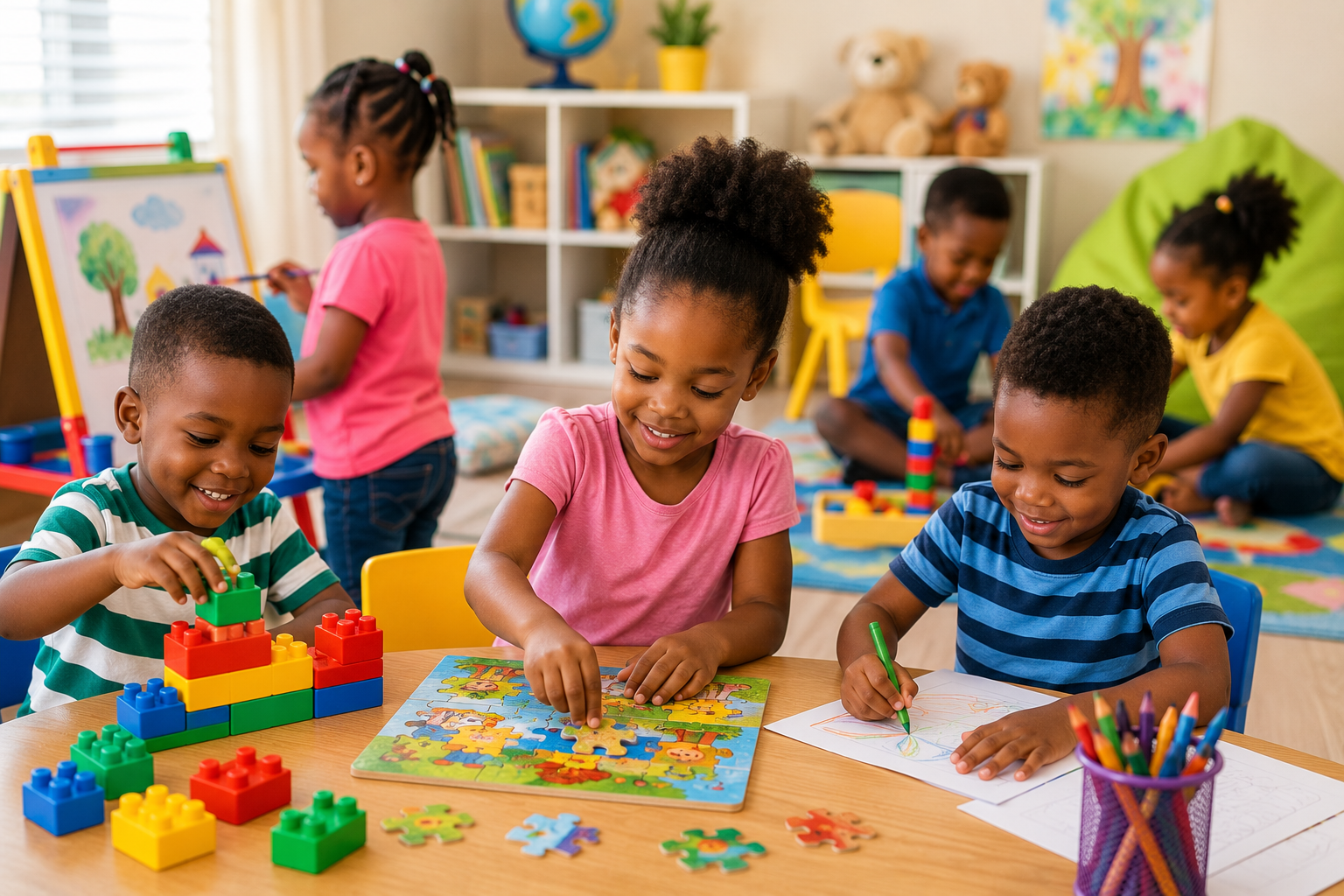
One of the most significant benefits of play is its impact on cognitive development. Through play, children learn how to think creatively, solve problems, make decisions, and understand cause-and-effect relationships. Activities such as puzzles, sorting games, construction toys, and imaginative play encourage children to explore ideas, experiment with different solutions, and develop critical thinking skills. These early cognitive abilities create a strong foundation for future learning and academic success.
Communication and language development also flourish through play. When children engage in role-playing games, storytelling activities, singing songs, or interacting with peers, they are constantly practicing how to express themselves, understand language, and communicate their thoughts and emotions. For children who experience speech or language delays, play provides a relaxed and natural environment where communication skills can develop without pressure. Every conversation during play becomes an opportunity to build vocabulary, improve listening skills, and strengthen social interaction.
Social and emotional development is another area where play has a profound impact. Through cooperative play, children learn how to share, take turns, negotiate, work as part of a team, and understand the feelings of others. These experiences help children develop empathy, emotional regulation, and positive relationships. Learning how to manage frustration, celebrate achievements, and navigate social situations during play prepares children for success in school and everyday life.
Physical development is equally supported through play-based activities. Running, climbing, jumping, balancing, throwing, and catching all contribute to gross motor development, while activities such as drawing, cutting, stacking blocks, and manipulating small objects strengthen fine motor skills. These physical abilities are essential for everyday tasks, including dressing, writing, eating independently, and participating confidently in recreational activities.
For children with developmental delays or disabilities, play can be particularly transformative. Many children learn best when they are actively engaged and enjoying the learning process. Play-based intervention allows therapists and educators to incorporate developmental goals into activities that children genuinely enjoy. Rather than focusing solely on challenges, play creates opportunities to build strengths, encourage participation, and celebrate progress in a supportive and engaging environment.
Sensory play is especially beneficial for children who experience sensory processing challenges. Activities involving sand, water, textures, music, movement, and sensory exploration help children understand and regulate sensory input while improving attention, coordination, and emotional well-being. Sensory-rich experiences can also support communication, social interaction, and problem-solving skills in meaningful ways.
Parents and caregivers play an essential role in maximizing the benefits of play. The most valuable play experiences often happen during everyday moments at home. Reading together, building with blocks, playing board games, engaging in imaginative play, or simply talking during daily activities can significantly contribute to a child’s development. Children do not always need expensive toys or structured programs; they need opportunities to explore, interact, and learn through meaningful experiences with caring adults.
One of the greatest advantages of play-based learning is that it encourages confidence and independence. When children are allowed to make choices, take risks in a safe environment, and experience success through play, they develop self-esteem and resilience. These qualities are essential for lifelong learning and personal growth. Children who feel capable and confident are more likely to engage with new experiences, overcome challenges, and continue developing important life skills.
At Grace Empowered Early Years Foundation, we recognize that every child learns differently. Our approach focuses on creating engaging, individualized experiences that support development through meaningful interactions and play-based learning strategies. By working closely with families, we help children build communication skills, social connections, confidence, and independence within environments where they feel safe and supported.
The journey of child development is not simply about reaching milestones—it is about helping children discover their abilities, explore their potential, and build the skills they need to thrive. Play provides the perfect foundation for this journey. It transforms learning into an enjoyable experience, strengthens family connections, and creates opportunities for children to grow in ways that are natural, effective, and lasting.
When children play, they are not just having fun—they are building the foundation for a brighter future.