


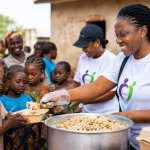



At the heart of every child’s story lies potential — a spark of curiosity, resilience, and joy. At Grace Empowered Early Years Foundation, we believe that every child deserves the right start, no matter their pace of development. Through our early intervention programs and holistic child development support, we help children overcome developmental delays and thrive in their early years.
Every child’s journey begins with potential — a spark waiting to grow through care, guidance, and opportunity. But for many children, developmental delays can make those early years more challenging. Early intervention is the key to unlocking that potential, ensuring that every child — regardless of their pace or ability — gets the support they need to thrive.
In Nigeria, where awareness of child development support is still growing, early identification and therapy can make all the difference. The first five years of a child’s life are a period of incredible brain development. During this time, children learn to move, speak, think, and connect emotionally. When these skills develop slower than expected, parents often feel unsure of what to do next. That’s where early intervention steps in — to bridge the gap, empower families, and help children reach their developmental milestones with confidence.
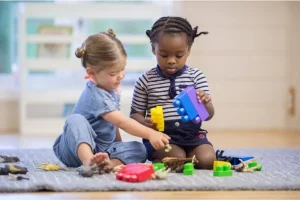
Understanding Early Intervention for Children
Early intervention for children simply means providing the right support at the right time. It involves assessing a child’s growth and identifying areas where they may need help — whether in speech, physical coordination, social interaction, or learning. The earlier this support begins, the better the outcomes. A child’s brain is incredibly adaptable in the early years; with timely therapy and encouragement, delays can often be reduced or even fully overcome.
For parents, recognising the signs of developmental delay can be the first step toward change. Delays in walking, talking, or interacting don’t always mean something is “wrong” — but they are signals that your child may benefit from early years therapy. In Nigeria, such support can include speech and language therapy, occupational therapy, or developmental play sessions that stimulate learning in natural, engaging ways.
The Role of Child Development Support
Child development support is more than therapy; it’s a partnership between professionals and families to nurture a child’s growth. It focuses on helping children develop physical, emotional, cognitive, and social skills that will serve as the foundation for future learning. Through play-based activities, guided routines, and emotional connection, children build confidence, communication, and independence.
Parents play an essential role in this process. With professional guidance, they learn how to integrate developmental activities into daily life — turning everyday moments into learning opportunities. From simple actions like talking, reading, and playing together, to structured exercises suggested by therapists, consistent support helps children progress steadily.

Addressing Developmental Delays in Children
Developmental delays in children can appear in many forms — delayed speech, difficulty with coordination, short attention spans, or challenges in social interaction. In many Nigerian communities, these concerns are often misunderstood or overlooked, sometimes attributed to temperament or shyness. However, understanding that every child develops differently — and that early help is available — is essential.
When children receive targeted support early, they build stronger neural connections, making it easier to learn new skills later on. Ignoring delays or waiting for a child to “catch up” can make intervention harder as they grow older. Early intervention is not about labelling a child; it’s about giving them the best possible start to reach their full potential.
The Growing Importance of Early Years Therapy in Nigeria
Across Nigeria, more families are now embracing early years therapy as awareness increases. Parents are learning that seeking help is not a sign of failure but a step toward empowerment. Therapy sessions, whether at home or in early learning centres, are designed to be nurturing, playful, and personalised to each child’s unique needs.
Professionals working in this space understand the cultural, social, and economic realities of Nigerian families. Many services now offer home-based sessions or flexible schedules, ensuring therapy is accessible and convenient. These interventions don’t just transform children’s lives — they strengthen families, build confidence in parenting, and contribute to healthier communities.
As organisations like Grace Empowered Early Years Foundation have shown, when families are equipped with the right knowledge and resources, the results can be remarkable. Children who once struggled to communicate begin to express themselves. Those who had difficulty focusing or interacting learn to engage joyfully with others. Each small step becomes a powerful reminder of what’s possible through early support.

A Brighter Future Through Early Support
Investing in early intervention and child development in Nigeria is an investment in the nation’s future. Every child supported early is a potential story of transformation — one that ripples into schools, communities, and society as a whole. When children thrive, families thrive. And when families thrive, so does the nation.
If you’re a parent or caregiver who has noticed signs of delay, take that first step today. Seek professional guidance, ask questions, and explore the world of early years therapy. The earlier you begin, the greater the impact on your child’s lifelong learning and happiness.
Together, through awareness, compassion, and action, we can create a Nigeria where every child — regardless of their starting point — grows with confidence, curiosity, and joy.